

TITLE: The Maintenance Coordinator Burnout Cycle: It's Not Them, It's Your System (Probably)
Maintenance coordinators are the unsung heroes of property management. They juggle tenant requests, vendor schedules, property owner expectations, and often, a never-ending stream of emergencies. It's a high-pressure role, and it's no surprise that burnout is rampant. But what if the problem isn't the individual, but the systems they're forced to operate within?
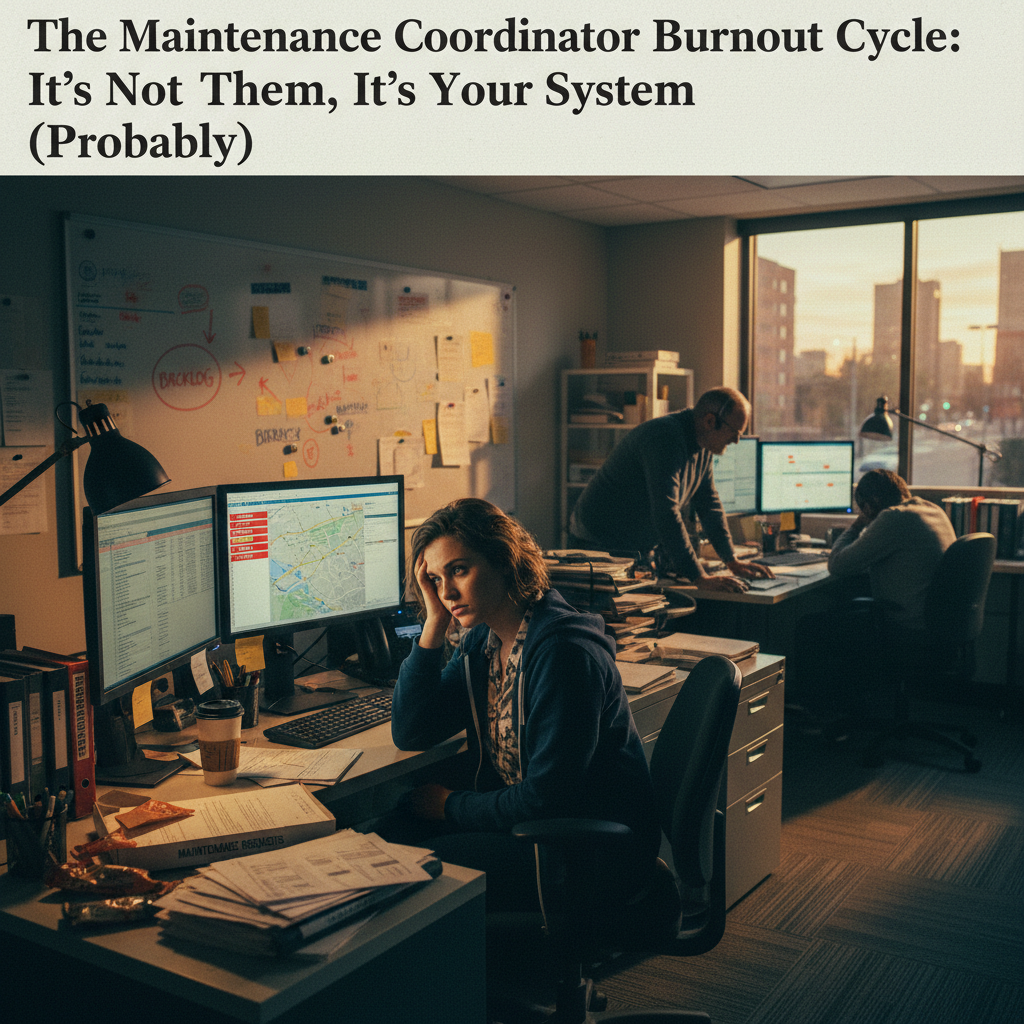
Many property management companies, regardless of portfolio size, still rely on outdated, manual processes for maintenance. This often involves a chaotic mix of spreadsheets, email chains, phone calls, and even sticky notes. Imagine trying to track hundreds or even thousands of work orders, each with multiple steps and stakeholders, using such a fragmented approach. The result is inevitably dropped balls, missed deadlines, frustrated tenants, and an utterly overwhelmed maintenance coordinator.
The core issue is often a lack of centralized, integrated technology. Without a robust property management software system, coordinators spend an inordinate amount of time on administrative tasks that could be automated. This includes things like:
- Manual Work Order Creation: Typing out details for every new request instead of tenants submitting directly through a portal.
- Vendor Communication: Endless phone tag and emails to schedule and confirm appointments.
- Tracking Progress: Constantly checking in with technicians and vendors for updates, rather than having real-time status visibility.
- Reporting: Manually compiling data for property owners on maintenance costs and turnaround times.
These inefficiencies don't just lead to burnout; they impact the bottom line for operations of any scale. Delayed maintenance can lead to higher repair costs, tenant turnover, and even legal issues. A recent survey indicated that tenant satisfaction is directly linked to the efficiency of maintenance requests, with timely responses being a top priority for residents.
So, how can property managers, whether overseeing a few hundred units or thousands across multiple markets, break this cycle? The answer lies in strategic investment in technology and process optimization.
1. Implement Integrated Property Management Software: Platforms like AppFolio, Buildium, Rent Manager, Entrata, or Yardi offer comprehensive solutions that streamline maintenance workflows for portfolios of all sizes. These systems allow tenants to submit requests online, automatically create work orders, assign tasks to vendors, track progress in real-time, and facilitate communication.
2. Automate Communication: Leverage automated notifications for tenants, owners, and vendors at every stage of a work order. This reduces the need for manual follow-ups and keeps everyone informed, whether you manage 200 units or 2,000. Many modern platforms integrate with communication tools to send automatic updates via email or text.
3. Standardize Processes: Develop clear, step-by-step protocols for handling different types of maintenance requests. This ensures consistency and reduces guesswork, empowering coordinators to work more efficiently across diverse portfolios. Tools like digital checklists and standardized forms within your software can be invaluable.
4. Empower Tenants and Vendors: Provide tenants with a user-friendly portal to submit and track their requests. Give vendors access to a portal where they can view assigned jobs, update statuses, and upload invoices. This self-service approach significantly reduces the coordinator's workload, scaling effectively for both independent managers and large operators.
5. Utilize Data for Improvement: Property management software provides valuable data on maintenance trends, vendor performance, and response times. Use this information to identify bottlenecks, negotiate better vendor contracts, and continuously refine your processes, regardless of portfolio size. Analyzing these metrics can help pinpoint areas for further efficiency gains.
The role of a maintenance coordinator is critical to the success of any property management operation, from those managing a few hundred doors to those overseeing multi-state portfolios. By recognizing that burnout often stems from systemic issues rather than individual failings, companies can make the necessary changes to support their teams. Investing in the right technology and optimizing workflows not only prevents burnout but also leads to happier tenants, satisfied owners, and a more profitable business. Don't let your maintenance team be a revolving door; empower them with the tools they need to thrive.