


Good Cause Eviction: A Double-Edged Sword for Tenant Stability and Portfolio Agility
Good cause eviction laws aim to stabilize housing but create operational complexities for property managers. While protecting tenants, these laws can impact portfolio flexibility, owner profitability, and increase administrative burdens. Property managers must adapt with robust documentation, strategic planning, and smart use of technology and staffing solutions.

Beyond the Memes: What Reddit PMs Are Really Venting About This Month
Property managers on Reddit are venting about persistent issues like overwhelming tenant communication, maintenance headaches, and legislative changes. These daily frustrations contribute to a widespread burnout epidemic, highlighting the need for smarter solutions to offload repetitive tasks and preserve the human element of the job.

Navigating the 2026 Rental Market: How PMs Are Rethinking Fee Structures Amidst Pricing Pressures
The 2026 rental market presents unique challenges, pushing property management companies to re-evaluate traditional fee structures. Owners are scrutinizing costs more closely, demanding clear value for their investment. This shift is leading PMs to explore innovative fee models, including performance-based tiers and technology-driven efficiency discounts.

Navigating the Shifting Sands of Security Deposit Laws in 2026: A PM's Guide to Compliance
Security deposit laws continue to evolve in 2026, driven by a national trend towards greater tenant protection. Property managers must navigate a complex patchwork of state and local regulations, with common themes including lower deposit caps, stricter return timelines, and increased scrutiny on non-refundable fees. Staying compliant requires proactive measures like auditing leases, meticulous documentation, and regular team training.

Beyond the Buzzwords: PM Burnout is a Staffing Crisis, Not a Mindset Malfunction
Property management burnout is often misdiagnosed as a personal failing, but it's fundamentally a staffing issue. The expectation of the 'Super-PM' and chronic understaffing create an unsustainable workload, leading to a vicious cycle of turnover. Addressing this requires realistic portfolio sizes, strategic delegation, thoughtful tech integration, and fair compensation.
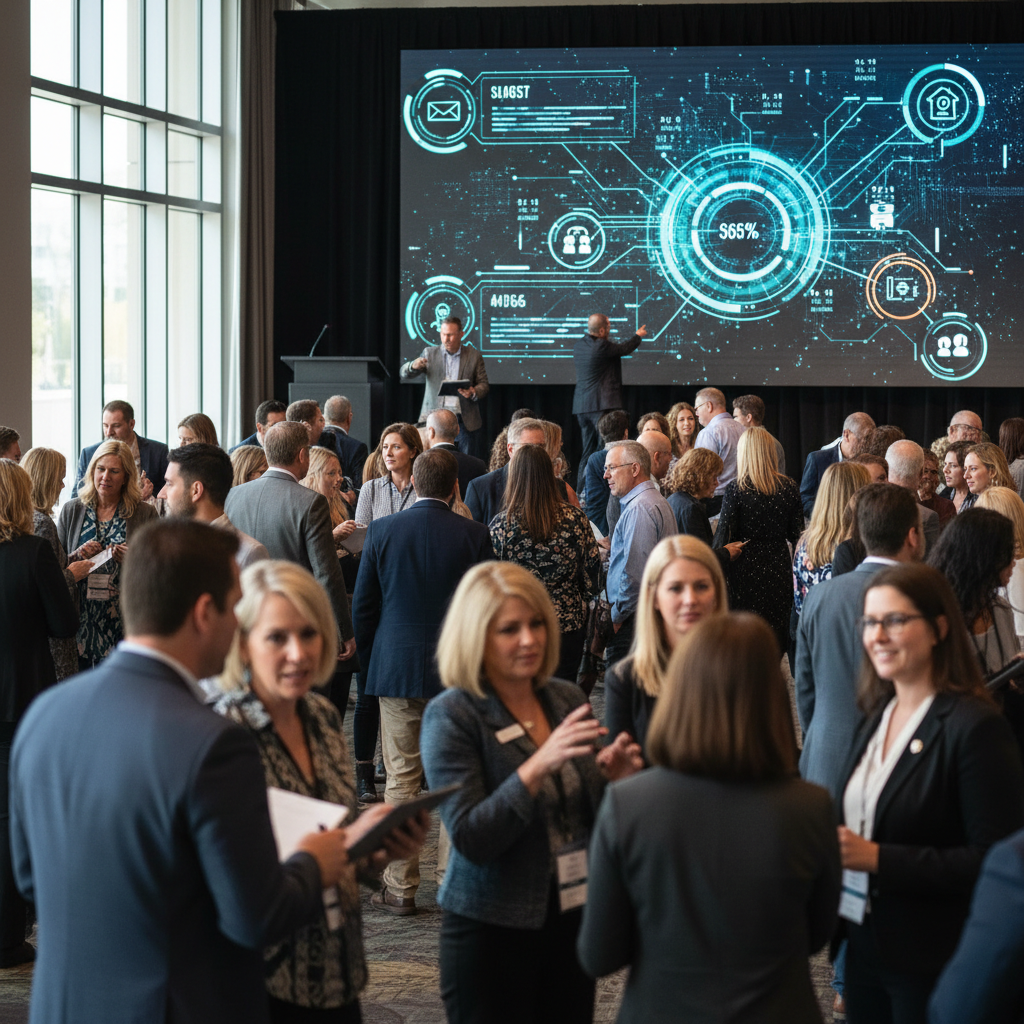
The Pulse of Property Management in 2026: What I'm Hearing from NARPM Colleagues
NARPM members are navigating a complex 2026, marked by lingering economic pressures, persistent staffing challenges, and the ever-evolving role of technology. Despite these shifts, the human element remains at the core of effective property management. It's a balancing act of budgets, people, and innovation.

The Unfiltered Truth: What Property Managers on Reddit Are Really Venting About This Month
This month, property managers on Reddit are venting about familiar frustrations: staffing shortages, clunky tech implementations, and the ever-present tension between tenant expectations and owner demands. It's a candid look at the daily struggles and the underlying theme of burnout in our demanding profession.

The Silent Saboteur: How Tenant Communication Breakdowns Undermine Your Bottom Line
Poor tenant communication isn't just annoying, it's a silent saboteur of your property management business. It leads to increased turnover, escalated maintenance costs, legal disputes, and staff burnout. Investing in clear, consistent, and compassionate communication is key to a profitable and sustainable operation.
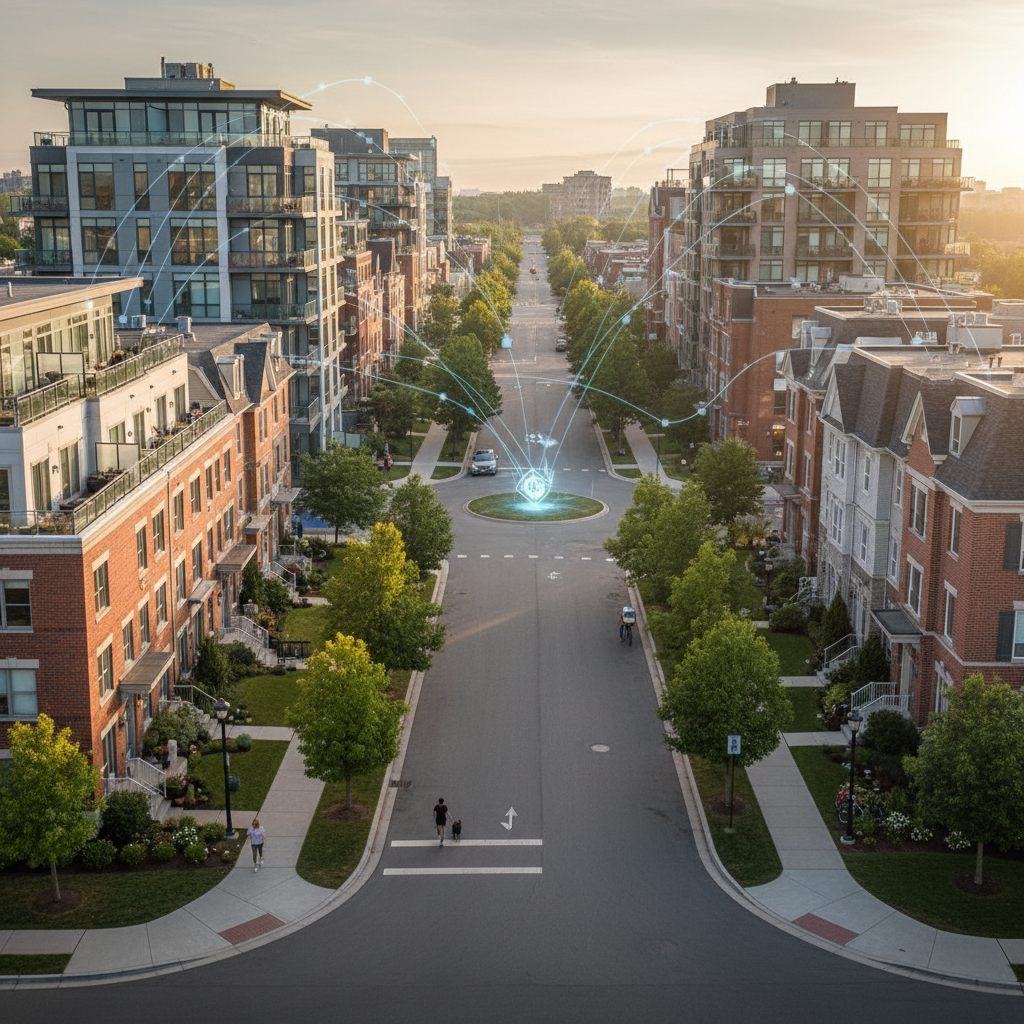
Navigating the Nuances: Where HOA and Condo Management is Headed in 2026
The HOA and condo management market in 2026 is expanding beyond new developments, driven by aging infrastructure, complex financial needs, and lifestyle-focused communities. Success in this evolving landscape demands specialized expertise, exceptional communication, thoughtful technology adoption, and a steadfast human-centered approach.
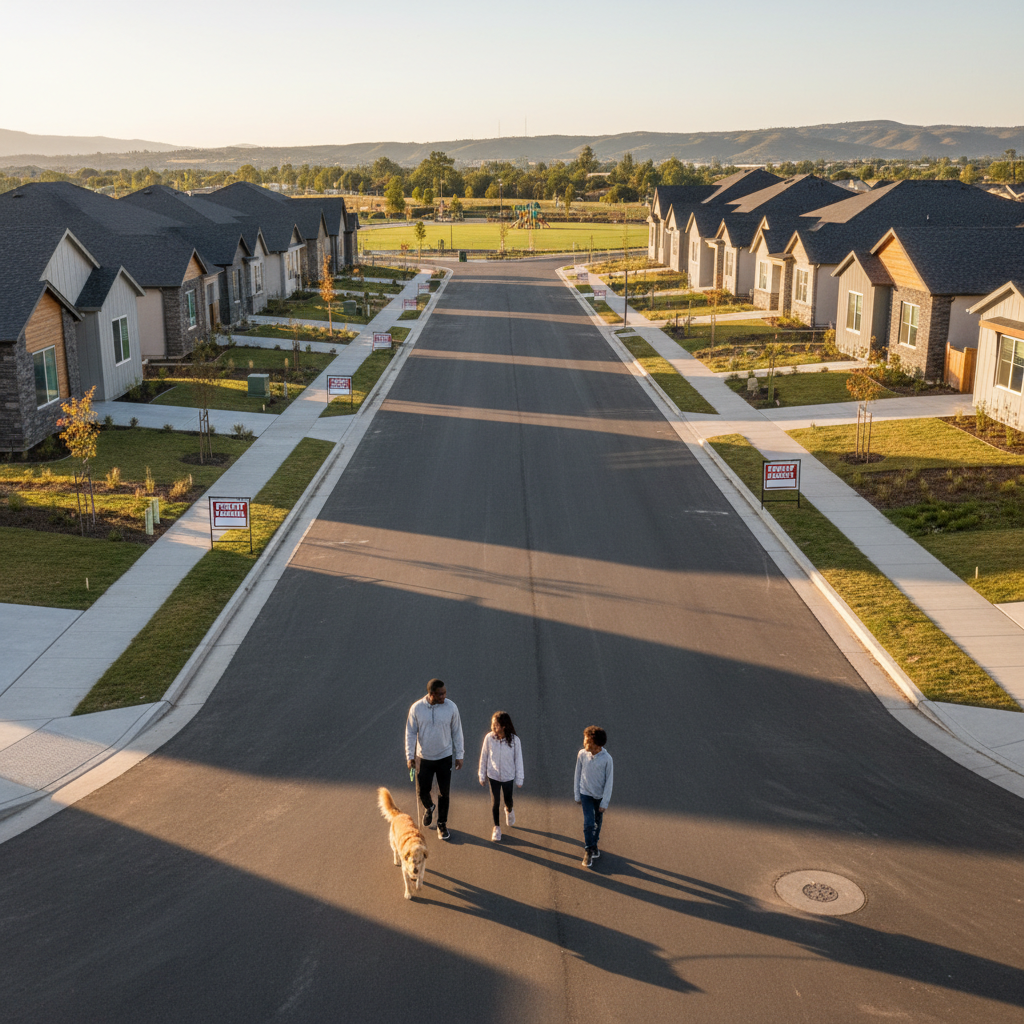
The Shifting Sands of Single-Family Rentals: What 2026 Holds for PMs
Single-family rental demand in 2026 continues to be robust, driven by a persistent desire for space, flexibility, and professional management. Property managers must adapt to a discerning 'rent-by-choice' generation and the impact of institutional investors and build-to-rent communities. Understanding these shifts is key to thriving in an evolving market.

Beyond the Form Letter: What Good Tenant Communication Really Looks Like
Effective tenant communication goes beyond basic notices, it's about building trust and managing expectations. Proactive, clear, empathetic, and consistent messaging can de-escalate issues and foster stronger resident relationships. It's a vital skill that transforms daily operations.

Buildium vs. Rent Manager: A Property Manager's Honest Take on Software Choices
Choosing property management software is a significant commitment. This article offers an honest, experience-based comparison of Buildium and Rent Manager, highlighting their strengths and weaknesses from a property manager's perspective. It emphasizes that the 'better' software depends entirely on a business's specific needs and scale.

The Silent Costs of Miscommunication: When Tenant Relations Go Sideways
Tenant communication breakdowns are more than just annoying; they are silent, insidious costs that impact your bottom line, reputation, and staff morale. From unanswered calls escalating maintenance issues to ambiguous emails creating confusion, these missteps lead to higher turnover, increased expenses, and unnecessary stress for everyone involved.
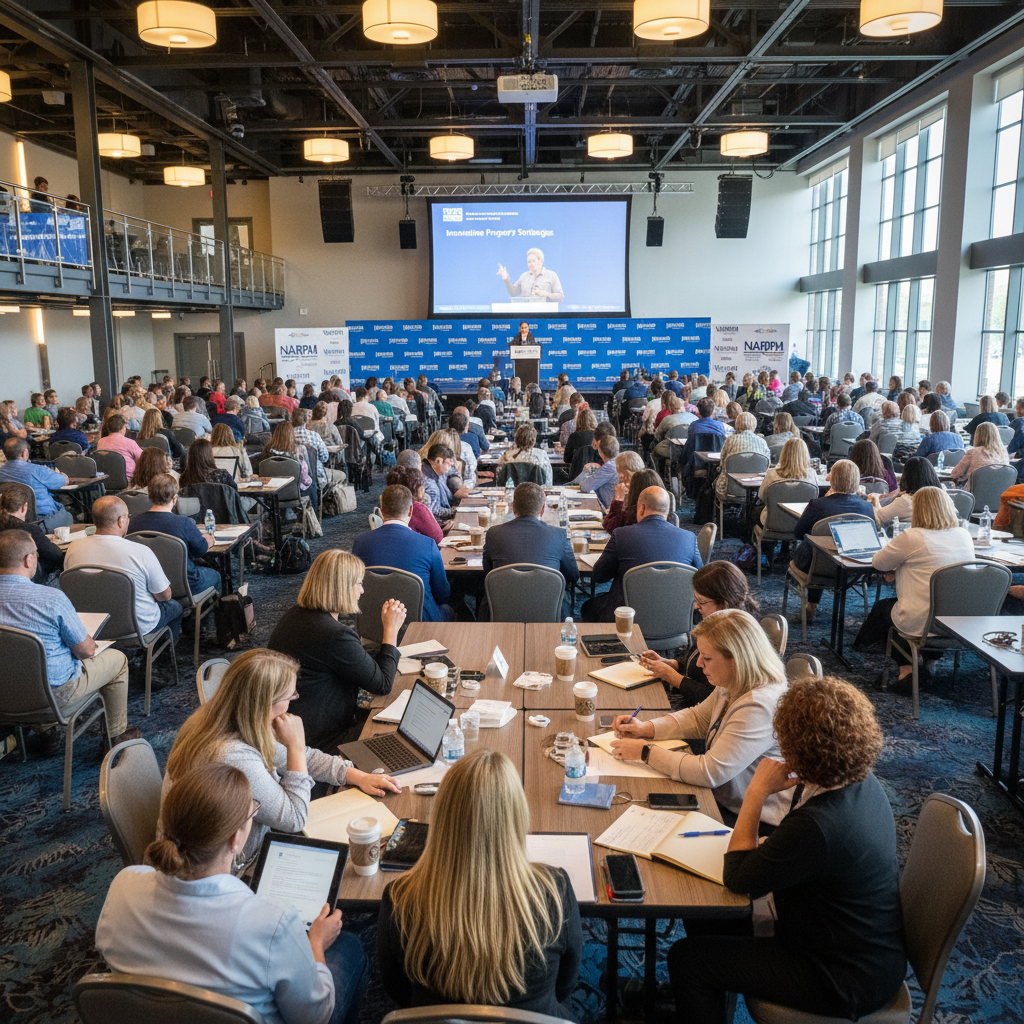
Navigating the NARPM 2026 Conference: My Picks for Sessions That Truly Matter
The NARPM 2026 conference offers a wealth of knowledge, but navigating it effectively requires a strategic approach. I'm sharing my top session picks, focusing on legal updates, practical AI applications, staffing solutions, financial deep dives, and the essential human element of property management.
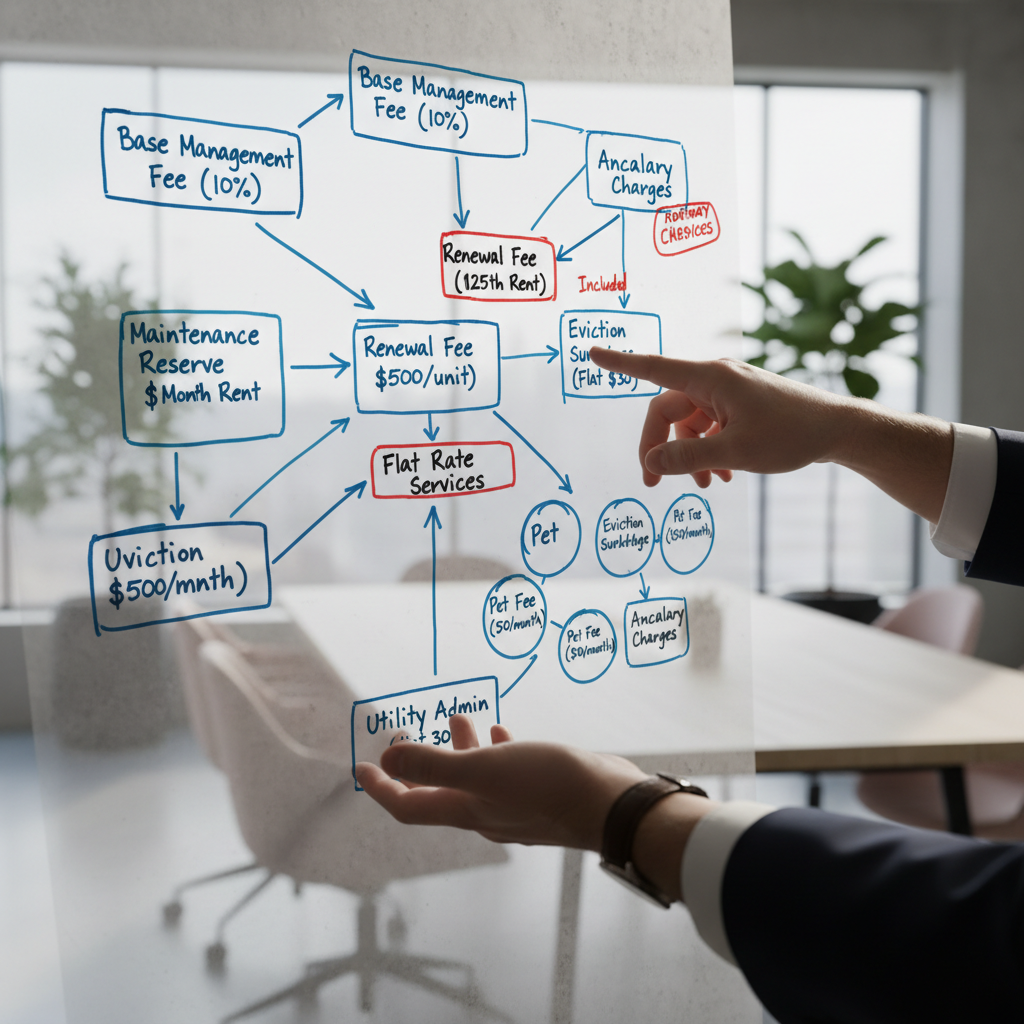
Navigating the 2026 Rent Rollercoaster: How PMs Are Rethinking Fee Structures
With rent pricing under pressure in 2026, property managers are moving beyond simple percentage-based fees. Many are adopting flat fees, hybrid models, and charging for ancillary services to ensure sustainable revenue and clearly demonstrate value to owners.

Navigating the New Waves of Tenant Protection: What 2026 Holds for Property Managers
Expanding tenant protection laws in 2026 demand proactive adaptation from property managers. From evolving rent control measures to broader fair housing interpretations, staying compliant means updating leases, enhancing team training, and prioritizing transparent communication. It's about navigating complexity with empathy and precision.

Entrata's Mid-Market Move: What We, The Operators, Really Need to Know
Entrata, long a giant in institutional property management software, is now targeting the mid-market. While its robust features are appealing, operators must weigh the complexity and potential for overkill against their actual operational needs and team capabilities.

Navigating the NARPM 2026 Conference: My Picks for the Sessions You Can't Afford to Miss
Navigating the NARPM 2026 conference can be overwhelming, but I've sifted through the schedule to highlight the sessions that offer practical, actionable strategies for real-world property management challenges. From evolving tenant relations to AI applications and data-driven decisions, these are my top picks for maximizing your conference experience.

The Revolving Door: Why Property Managers Are Leaving and What It Means for Your Business
High turnover in property management is more than just a nuisance; it's a critical issue impacting our bottom line, team morale, and service quality. Property managers often leave due to overwhelming workloads, insufficient compensation, unclear career paths, and sometimes, technology that adds to the burden rather than alleviating it. Addressing these root causes is essential for building a stable and successful property management operation.

The Follow-Up Fiasco: Why Good Leads Slip Through Our Fingers
Many property management teams lose valuable leads not due to competition or pricing, but a fundamental breakdown in follow-up. Owners are busy and often need proactive, consistent engagement to convert into clients. Implementing a structured, personalized follow-up system is key to nurturing interest and securing new business.