

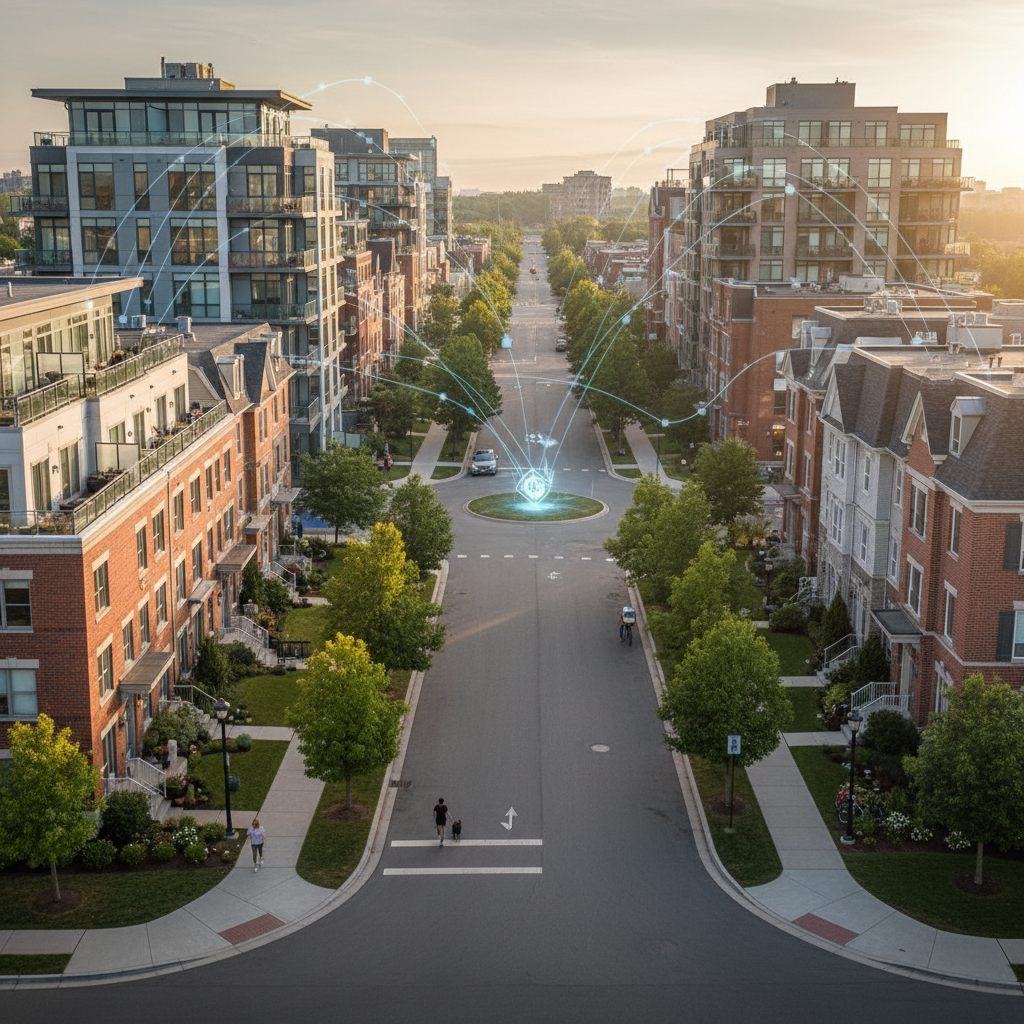
Well, here we are, April 3, 2026, and the HOA and condo management landscape, much like a perpetually leaky roof, continues to evolve, presenting both persistent challenges and surprising opportunities. For those of us who've spent years in the trenches, it's clear this isn't just about collecting dues and coordinating landscapers anymore. It's a complex dance of community building, financial stewardship, and increasingly, technological adoption, all while managing the ever-present human element. I've seen enough board meetings devolve into arguments over pet policies to know that. So, where exactly is the growth, and what does it demand from us, the dedicated few who choose this particular brand of organized chaos?
The Shifting Sands of Growth: Where to Look
When I talk about growth in the HOA and condo market, I'm not just talking about new developments, though those certainly contribute. I'm seeing a significant expansion in a few key areas that demand our attention and, frankly, our adaptation.
First, there's the aging infrastructure and deferred maintenance boom. Many of the condo complexes and HOAs built in the 70s, 80s, and even 90s are now facing significant capital expenditure projects. Think re-piping, roof replacements, concrete restoration, and elevator modernizations. These aren't small jobs. They require meticulous planning, robust reserve studies, and expert project management. Boards, often composed of well-meaning but time-strapped volunteers, are increasingly recognizing they need professional help to navigate these multi-million dollar undertakings. This isn't just about finding a contractor; it's about managing expectations, communicating with residents, and ensuring financial solvency. It's a high-stakes game, and those of us who can master it will find a steady stream of work.
Second, the demand for specialized financial management is skyrocketing. With rising insurance costs, inflation impacting service contracts, and the increasing complexity of state and local regulations regarding reserve funding, financial acumen is no longer a 'nice to have' it's a 'must have.' Boards are looking for managers who can not only present a budget but explain the nuances of investment strategies for reserves, analyze cash flow projections, and guide them through special assessments without causing a resident revolt. Tools from companies like AppFolio or Yardi are essential here, but the human interpretation of that data, that's where the real value lies. It's not just about the numbers; it's about the story the numbers tell.
Finally, and perhaps most interestingly, is the rise of lifestyle and amenity-focused communities. Whether it's a 55+ community with extensive social programming or a luxury high-rise with concierge services, residents are paying for more than just a roof over their heads. They're paying for an experience. This means property managers are morphing into community directors, event planners, and even quasi-therapists. The growth here isn't just in managing the physical assets, but in cultivating a vibrant, harmonious living environment. It's a soft skill game, and it's surprisingly lucrative for those who can deliver.
What This Growth Demands From Us
So, if these are the growth areas, what do we need to bring to the table? It's more than just a good attitude and a thick skin, though those certainly help.
Expertise and Specialization
The days of being a generalist are fading. To truly excel, we need to specialize. Do you want to be the go-to person for large-scale capital projects? Then you need to understand construction, engineering reports, and financing options. Are you drawn to financial intricacies? Then a deeper dive into accounting principles, investment vehicles, and regulatory compliance is in order. The IREM offers certifications that can help, but real-world experience, often gained through trial by fire, is invaluable. Boards are scrutinizing credentials and experience more than ever before, and a broad but shallow understanding just won't cut it.
Communication, Communication, Communication
I can't stress this enough. In an HOA or condo, every decision, every repair, every budget line item, affects someone's home, their largest asset, and often, their emotional well-being. Miscommunication is the root of so many problems. We need to be proactive, transparent, and empathetic. This means clear, concise newsletters, well-structured board meeting minutes, and a willingness to pick up the phone rather than just sending an email. It also means managing expectations, especially when dealing with those inevitable delays or cost overruns. I've found that a little bit of honesty upfront about potential issues goes a long way in building trust, even if the news isn't what they want to hear. Sometimes, it's just about being present and listening, even when you know there's no easy fix.
Technology Adoption, Wisely Applied
Yes, I'm a fan of automation, but not for its own sake. Technology in HOA and condo management needs to serve a purpose: to enhance communication, improve efficiency, and provide better data for decision-making. We're seeing more communities adopt resident portals for maintenance requests, amenity bookings, and document access. AI tools are starting to assist with routine inquiries, freeing up our teams for more complex issues. Companies like Entrata are pushing boundaries here, but the key is to integrate these tools thoughtfully. Don't just implement tech because it's new; implement it because it solves a specific problem for your communities and your team. And remember, no app can replace a manager's judgment when Mrs. Henderson calls because her neighbor's cat keeps sunbathing on her patio.
Human-Centered Approach
Ultimately, HOA and condo management is about people. It's about helping diverse groups of individuals live harmoniously, protect their investments, and enjoy their homes. This requires a level of patience, diplomacy, and genuine care that often gets overlooked in the rush of daily tasks. We're not just managing properties; we're managing communities, and communities are made of people with their own quirks, concerns, and occasionally, irrational demands. I've learned more about human nature in board meetings than in any psychology textbook. Understanding the dynamics, finding common ground, and sometimes, just being the calm voice in a storm, is paramount. This isn't just a job; it's a calling for those who genuinely enjoy problem-solving and fostering a sense of belonging.
The Future is Bright, But Demanding
The HOA and condo market in 2026 is certainly not for the faint of heart. It's a field ripe with opportunity for those willing to specialize, communicate effectively, embrace appropriate technology, and most importantly, remember the human element at its core. The growth isn't just in the number of units, but in the complexity and sophistication of the services required. It demands more from us, yes, but it also offers a deeply rewarding career for those who rise to the occasion. As a wise colleague once told me, 'It's never boring, that's for sure.' And after all these years, I'd have to agree. For more insights and shared experiences, I often find myself browsing Reddit r/PropertyManagement for a dose of reality and camaraderie.