

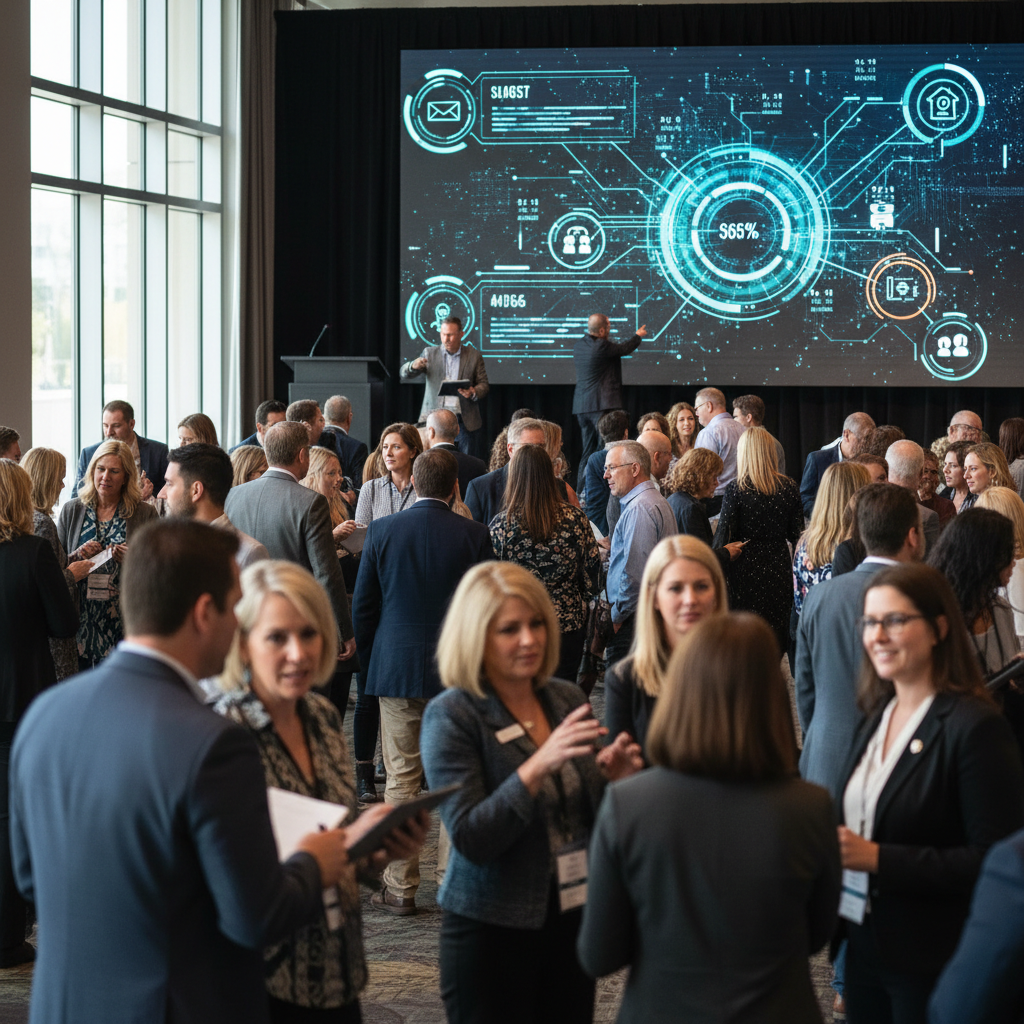
It's April 2026, and the property management world, as always, is buzzing. I've had the privilege of connecting with quite a few fellow NARPM members lately, both at virtual roundtables and during those rare, glorious in-person meetups, and the conversations are always so illuminating. We're all in the trenches, aren't we? Seeing the same patterns, facing similar headaches, and occasionally, celebrating those small, hard-won victories that keep us going. What I'm hearing, what we're all talking about, paints a pretty clear picture of where we stand right now. It's a mix of cautious optimism, persistent challenges, and a quiet recognition that our jobs, while evolving, remain fundamentally about people and homes.
The Lingering Echoes of the Pandemic and Economic Swings
Let's be honest, the ripple effects of the past few years are still very much with us. Rent collection, for instance, remains a delicate dance. While the immediate crisis of widespread non-payment has largely subsided, there's a heightened awareness of tenant financial vulnerability. Many of us are finding that proactive communication and flexible payment plan options, once a last resort, are now standard operating procedure. It's not just about avoiding evictions, though that's certainly a huge part of it, it's about maintaining occupancy and fostering goodwill. A vacant unit is always more expensive than a tenant paying a little late, a lesson I learned early in my career, often the hard way.
Then there's the economic tightrope. Inflation, interest rates, the cost of everything from a gallon of paint to a skilled plumber, it all impacts our bottom line and, by extension, our owners' returns. Owners, bless their hearts, are feeling the pinch too, and they're looking to us for solutions, for reassurance. We're seeing more scrutiny on every expense, more detailed reporting requests, and a renewed focus on preventative maintenance to avoid costly emergency repairs down the line. It's a constant balancing act, trying to keep properties well-maintained and tenants happy, all while managing budgets that feel like they're shrinking in real-time.
Staffing: The Perpetual Puzzle
Ah, staffing. If there's one topic that consistently comes up, it's this one. Finding good people, training them, and keeping them engaged, it's a monumental task. The property management industry isn't always seen as the glamorous choice, is it? We're not curing cancer, but we are providing essential housing, and that work is vital. Yet, the demands are high, the hours can be long, and the emotional toll can be significant. I've heard stories of companies struggling to fill maintenance technician roles for months, or property managers burning out from overwhelming portfolios.
Many of us are looking at creative solutions. Remote staffing, of course, is gaining serious traction, allowing us to tap into a wider talent pool and offer more flexible work arrangements. I've personally seen the benefits of having dedicated, skilled remote assistants handle everything from lease renewals to answering routine tenant inquiries, freeing up our onsite teams to focus on the more complex, hands-on aspects of the job. It's not a magic bullet, but it's certainly a valuable tool in the kit. Some larger firms are even exploring partnerships with vocational schools to build a pipeline for maintenance staff, which I think is a brilliant, long-term strategy.
Technology: Friend or Foe?
Technology, oh technology. It's a double-edged sword, isn't it? On one hand, the advancements in property management software have been incredible. Platforms like AppFolio and Buildium have revolutionized how we manage leases, collect rent, and communicate with residents. The integration of AI, while still in its nascent stages for many of us, is starting to show real promise in areas like maintenance request triage and automated tenant communication. Imagine an AI chatbot handling those 'my toilet is running' calls at 2 AM, only escalating truly urgent issues to a human. A dream, perhaps, but one that's getting closer.
On the other hand, the sheer volume of options can be overwhelming. Choosing the right tech stack, ensuring seamless integration, and then, the eternal challenge, getting everyone on the team to actually use it effectively. I've seen too many expensive software subscriptions gather digital dust because the implementation wasn't thought through, or the training was insufficient. It's not about having the flashiest tech, it's about having the right tech that genuinely solves a problem and makes our lives easier, not more complicated. I often tell my team, if it doesn't save us time or money, or significantly improve the resident experience, it's probably not worth the headache.
The Human Element: Still at the Core
Despite all the talk of tech and economic shifts, the overwhelming sentiment among my NARPM peers is that property management remains, at its heart, a human-centric business. We're dealing with people's homes, their most personal spaces. We're mediating disputes, offering a listening ear, and sometimes, being the first point of contact in an emergency. The stories I hear, the ones that stick with me, are always about a property manager going above and beyond for a resident, or an owner expressing genuine gratitude for the care we put into their investment.
Fair housing regulations, tenant rights, and owner expectations are more complex than ever. Staying informed, not just about local ordinances but about broader trends and best practices, is crucial. Resources from organizations like IREM and even discussions on forums like Reddit r/PropertyManagement are invaluable for keeping a pulse on what's happening on the ground and ensuring we're operating ethically and effectively. It's about building relationships, fostering communities, and being a reliable presence. That's a skill no AI can fully replicate, at least not yet.
So, as we navigate 2026, it seems we're all grappling with similar forces: economic pressures, the ongoing quest for good talent, the promise and peril of technology, and the enduring importance of the human touch. It's a challenging, rewarding, and never-dull profession, wouldn't you agree? And that, I believe, is why we keep showing up, day after day.