

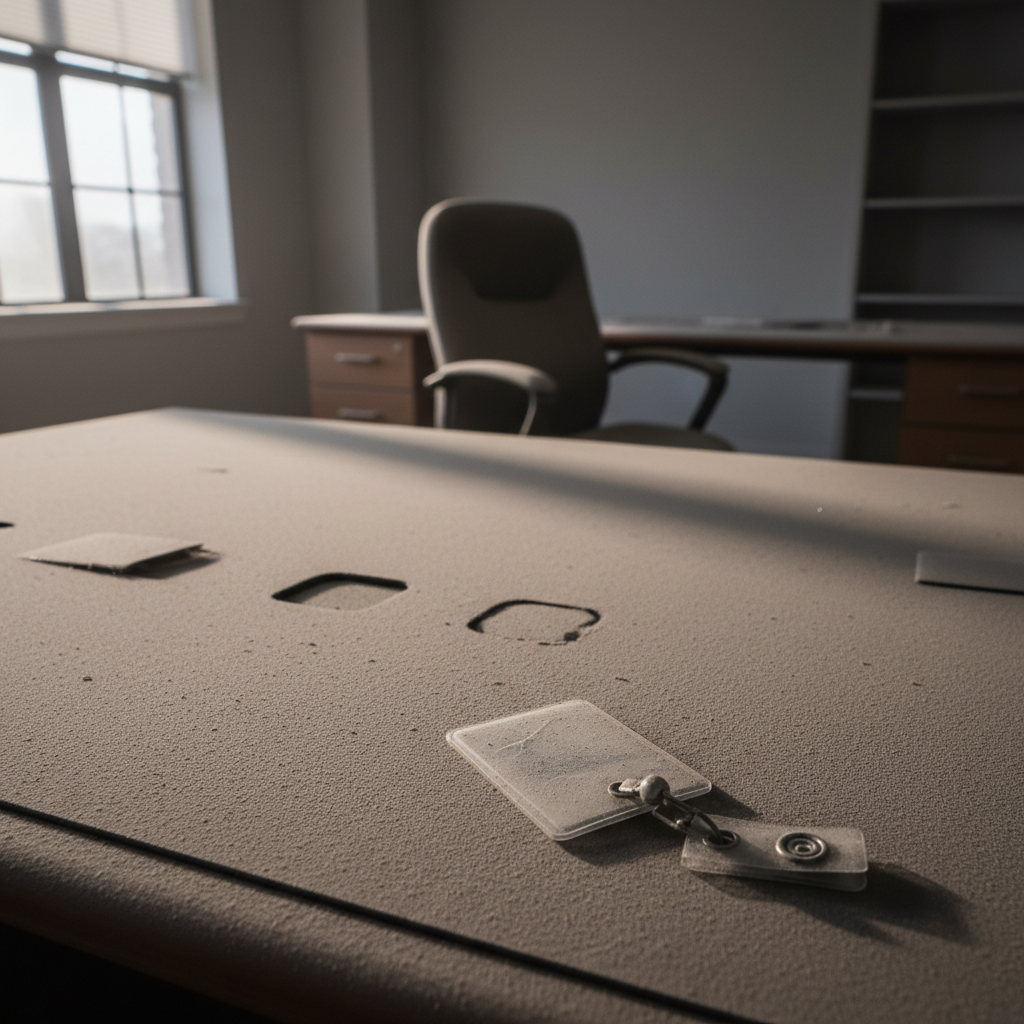
Alright, let's just get this out in the open. How many times have you been sitting at your desk, staring at an empty chair, wondering if you're going to have to cover another portfolio because Brenda from accounting just gave her two weeks' notice, or worse, your star leasing agent decided to become a dog groomer? Yeah, me too. It's not just you. The property management industry has a revolving door problem, and it's costing us a fortune.
I've been in this game long enough to see good people come and go. Great people, even. And it's rarely about the money, at least not directly. It's usually a cocktail of frustrations that eventually boils over. We're talking about the kind of stuff that makes you want to pull your hair out, or at least seriously consider a career in competitive napping.
The Usual Suspects: Why PMs Bail
So, what's driving everyone away? Let's break it down, because understanding the problem is the first step, right?
1. The Thankless Grind: Let's be honest, property management is a thankless job. You're the first call when the toilet overflows at 2 AM, the last one to hear about a successful lease-up (because that's just expected), and the punching bag for everyone from the owner who thinks their 1980s carpet is 'vintage' to the resident who thinks 'quiet hours' don't apply to their drum practice. The emotional labor is immense. We're problem solvers, therapists, negotiators, and sometimes, glorified babysitters. All for a paycheck that often doesn't reflect the sheer volume of crap we deal with daily.
2. Burnout is a Feature, Not a Bug: The workload is insane. We're constantly juggling maintenance requests, lease renewals, inspections, move-ins, move-outs, collections, marketing, legal compliance, and trying to keep owners happy while also keeping residents from rioting. It's a never-ending to-do list that just keeps growing. I've seen PMs work 60-hour weeks consistently, skipping lunches, taking calls on vacation. It's not sustainable. And when you're burnt out, every minor inconvenience feels like a personal attack. You start to dread checking your email, your phone becomes a source of anxiety, and suddenly, that dog grooming gig looks pretty appealing.
3. Lack of Growth and Development: Where do you go from here? For many, the career path in property management can feel pretty flat. You become a property manager, then maybe a senior property manager, and then what? Regional manager? Director? Those spots are few and far between. There's often not enough investment in training, either. We're expected to learn on the fly, figure it out, or just know it. Professional development, like what NARPM offers, is out there, but companies often don't prioritize or budget for it. It's a missed opportunity to retain talent and build expertise.
4. Tech That Doesn't Quite Cut It (Yet): We've got software, sure. AppFolio, Buildium, Yardi, you name it. But how much of it truly automates the soul-crushing, repetitive tasks? A lot of it still requires manual input, double-checking, and workarounds. We're spending too much time on data entry and not enough on relationship building or strategic thinking. When the tech feels like another chore instead of a helper, it adds to the frustration.
5. Owners Who Don't Get It: This one's a classic. Owners who nickel-and-dime every repair, expect luxury service for economy prices, and have unrealistic expectations about market rents or vacancy rates. Trying to manage an owner who thinks they know better than you, despite having zero experience, is exhausting. It puts you in an impossible position: alienate the owner or alienate the resident. It's a no-win situation, and it grinds you down.
What This Brain Drain Means for Your Company
Okay, so people are leaving. Big deal, right? Just hire someone new. If only it were that simple. This constant churn isn't just annoying; it's a massive drain on your bottom line and your team's morale.
1. Sky-High Costs: Replacing a PM isn't cheap. Think about the recruitment fees, the advertising, the time spent interviewing. Then there's the onboarding, the training, the lost productivity during the transition. I've seen estimates that it can cost anywhere from 50% to 150% of an employee's annual salary to replace them. That's real money, folks. Money that could be going into raises, bonuses, or better tech.
2. Decreased Resident Satisfaction: When PMs are constantly changing, residents lose that consistent point of contact. They have to explain their issues repeatedly, build new rapport, and deal with the inevitable dropped balls that happen during transitions. Happy residents are renewing residents. Unhappy residents? They're leaving, and they're probably leaving bad reviews on Reddit r/PropertyManagement or elsewhere.
3. Owner Dissatisfaction and Lost Business: Owners hire us for stability and expertise. If they see a revolving door of managers, they start to question your company's ability to manage their assets effectively. They might even take their business elsewhere. And let's be honest, losing an owner is a lot harder to recover from than losing a resident.
4. Team Morale Takes a Hit: Every time someone leaves, the remaining team members have to pick up the slack. This leads to more burnout, more stress, and a feeling of instability. It's a vicious cycle. Good people see their colleagues leaving, and they start to wonder if they should be looking too.
So, What Can We Do About It?
It's not all doom and gloom, I promise. We can fix this. It takes a conscious effort, but it's worth it.
- Invest in Your People: Pay them fairly, yes, but also invest in their growth. Offer training, certifications, and clear career paths. Show them there's a future for them in your company. Maybe even send them to an IREM course or two.
- Optimize Workflows and Embrace Automation: Seriously, look at what your team is doing manually. Can a bot do it? Can the software do it better? Can you outsource some of the low-value, high-volume tasks? Free up your PMs to do the high-value, human-centric work.
- Foster a Culture of Appreciation: A simple 'thank you' goes a long way. Recognize achievements, celebrate successes, and acknowledge the hard work. Don't just wait for the annual review. Make it part of the daily culture.
- Set Realistic Expectations (with Owners and Residents): Be transparent about what you can and can't do. Manage owner expectations from day one. Educate residents on policies and procedures. A little upfront honesty can prevent a lot of headaches later.
- Prioritize Well-being: Encourage breaks, discourage working excessive hours, and promote a healthy work-life balance. Your team isn't a machine. They need to recharge.
Look, property management is tough. We all know that. But it doesn't have to be a meat grinder that spits out burnt-out shells of people. By understanding why our best people are walking out the door, we can start to build companies where they want to stay. And frankly, we owe it to ourselves, and to the industry, to try.