

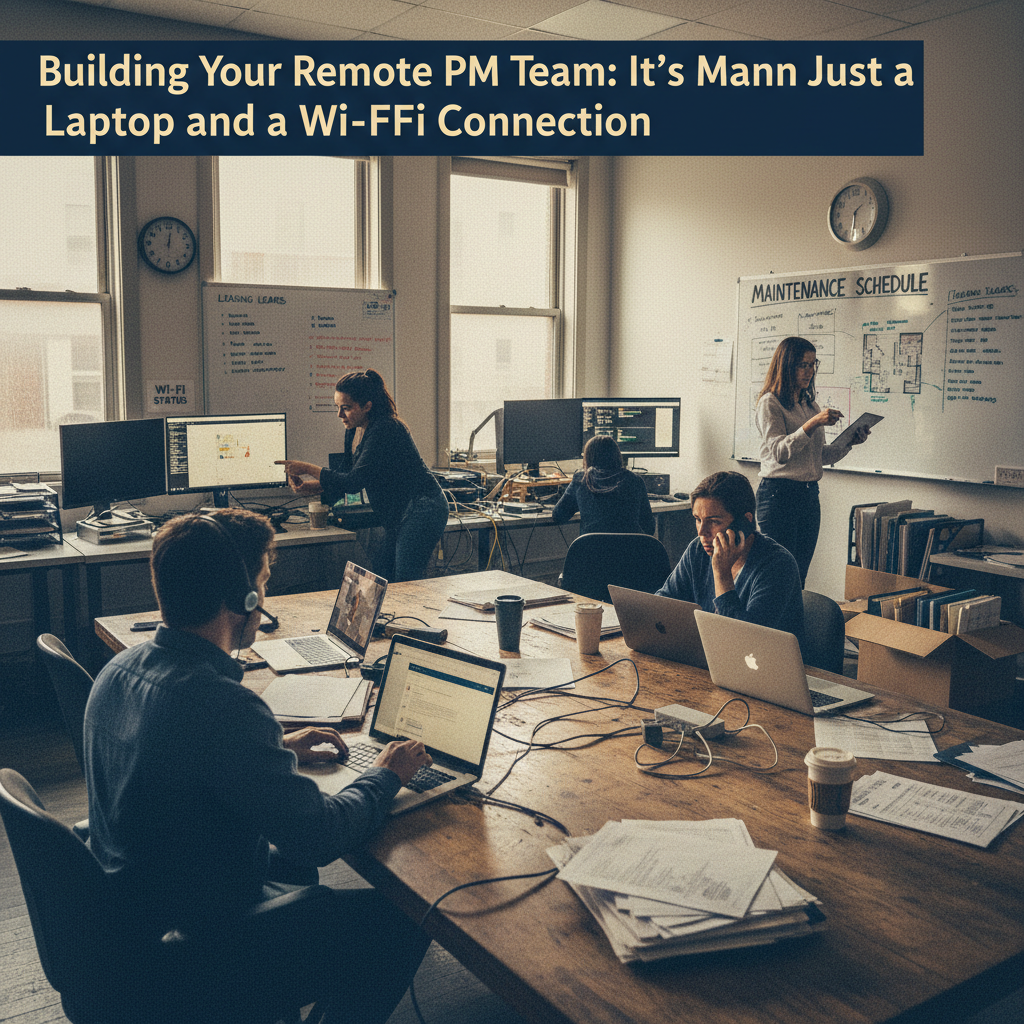
Building a remote property management team, or even integrating remote staff into an existing setup, has become a cornerstone of our industry. It's not just a trend, it's a necessity for many, offering flexibility and access to a wider talent pool. But let me tell you, from years of navigating everything from leaky faucets to tenant disputes, it's far more complex than simply handing someone a laptop and a Wi-Fi password. I've seen the triumphs, and oh, have I seen the pitfalls. It's about building a culture, establishing robust systems, and frankly, remembering that there's a human being on the other side of that video call.
The Allure and the Illusion of Remote Work
When the idea of remote staffing first gained significant traction, especially during and after the pandemic, the appeal was obvious. Property managers, often stretched thin, saw the potential to offload tasks, reduce overhead, and perhaps even get a few extra hours of sleep. The promise was alluring: lower labor costs, 24/7 coverage across time zones, and access to specialized skills you might not find locally. And yes, many of these benefits are real. I've personally seen how remote assistants can transform a bogged-down leasing department or streamline maintenance coordination. A recent survey by NARPM indicated a growing adoption of remote work models among its members, reflecting this shift.
However, the illusion is that it's a plug-and-play solution. It's not. I've heard countless stories, and experienced a few myself, where a remote hire didn't quite pan out. The common refrain: "They just didn't get it," or "Communication was a nightmare." The truth is, these failures often stem not from the remote employee's inadequacy, but from a lack of foundational support and understanding from the managing company.
It Starts with Process, Not Just People
Before you even think about hiring remotely, you need to look inward. What tasks are you actually trying to delegate? Are your current processes documented? Are they repeatable? This is where many of us stumble. We're so used to the tribal knowledge passed down in an office, the quick tap on a colleague's shoulder, that we forget how much of our daily operations relies on unspoken assumptions. For remote work to succeed, everything needs to be explicit.
Think about it: if your leasing agent needs to know the exact steps for processing an application, from background checks to lease generation, and those steps only exist in your head, how can a remote team member possibly replicate that? This is where standard operating procedures (SOPs) become your best friend. A well-documented SOP for, say, tenant onboarding using a platform like AppFolio or maintenance request handling via Buildium is non-negotiable. It's your instruction manual, your remote team's North Star. Without it, you're setting everyone up for frustration and failure.
The Technology Stack: More Than Just Communication
Of course, a stable internet connection and a reliable computer are table stakes. But the technology required for a truly effective remote PM team goes much deeper. You need a robust property management software system that supports remote access and collaboration. Platforms like Yardi, Rent Manager, or Entrata offer comprehensive suites, but even smaller operations can find success with more agile solutions. The key is integration. Can your remote team access tenant ledgers, maintenance tickets, and communication logs seamlessly? If they're jumping between five different systems, each with its own login and quirks, you're creating friction and inefficiency.
Beyond the core PM software, consider communication tools. Slack or Microsoft Teams are great for instant messaging and team channels. For video calls, Zoom or Google Meet are essential for face-to-face interactions. And don't forget project management tools like Asana or Trello to track tasks and deadlines. I've found that a shared knowledge base, perhaps a simple internal wiki, is invaluable for housing those SOPs and frequently asked questions. It's about creating a digital ecosystem where your remote team can operate as effectively as if they were in the next cubicle.
Cultivating Connection: The Human Element
This, for me, is the most critical and often overlooked aspect. We're managing properties, yes, but we're also managing people: owners, tenants, vendors, and our own teams. Remote work can feel isolating, and that isolation can lead to disengagement and high turnover. It's our job as leaders to actively combat that.
Regular check-ins are crucial, not just about task completion, but about well-being. Schedule dedicated video calls that aren't just about work, but about team building. Share successes, celebrate milestones, and encourage informal chats. I've seen teams thrive when they implement virtual coffee breaks or even a weekly "water cooler" chat where work topics are off-limits. Consider sending care packages, recognizing birthdays, or even organizing virtual team events. It sounds simple, but these small gestures build camaraderie and a sense of belonging. Remember, your remote team members are an extension of your brand and your culture. If they feel valued and connected, they'll be more productive and loyal.
One of the biggest lessons I've learned is that trust is built, not assumed. It takes consistent communication, clear expectations, and a willingness to empower your remote staff. Give them the tools, the training, and the autonomy, and they will rise to the occasion. If you treat them as just a cost-saving measure, a pair of hands on the other side of the world, you'll get exactly that: transactional effort, not true dedication.
The Takeaway: Invest in Your Remote Foundation
So, when you're considering expanding with remote talent, remember it's an investment, not a shortcut. Invest in your processes, invest in your technology, and most importantly, invest in your people. It's about building a cohesive, connected team that happens to be geographically dispersed, not just a collection of individuals working in silos. The properties we manage are brick and mortar, but the teams we build, whether in the office or across continents, are built on trust, communication, and a shared purpose. That's the real foundation for success.