

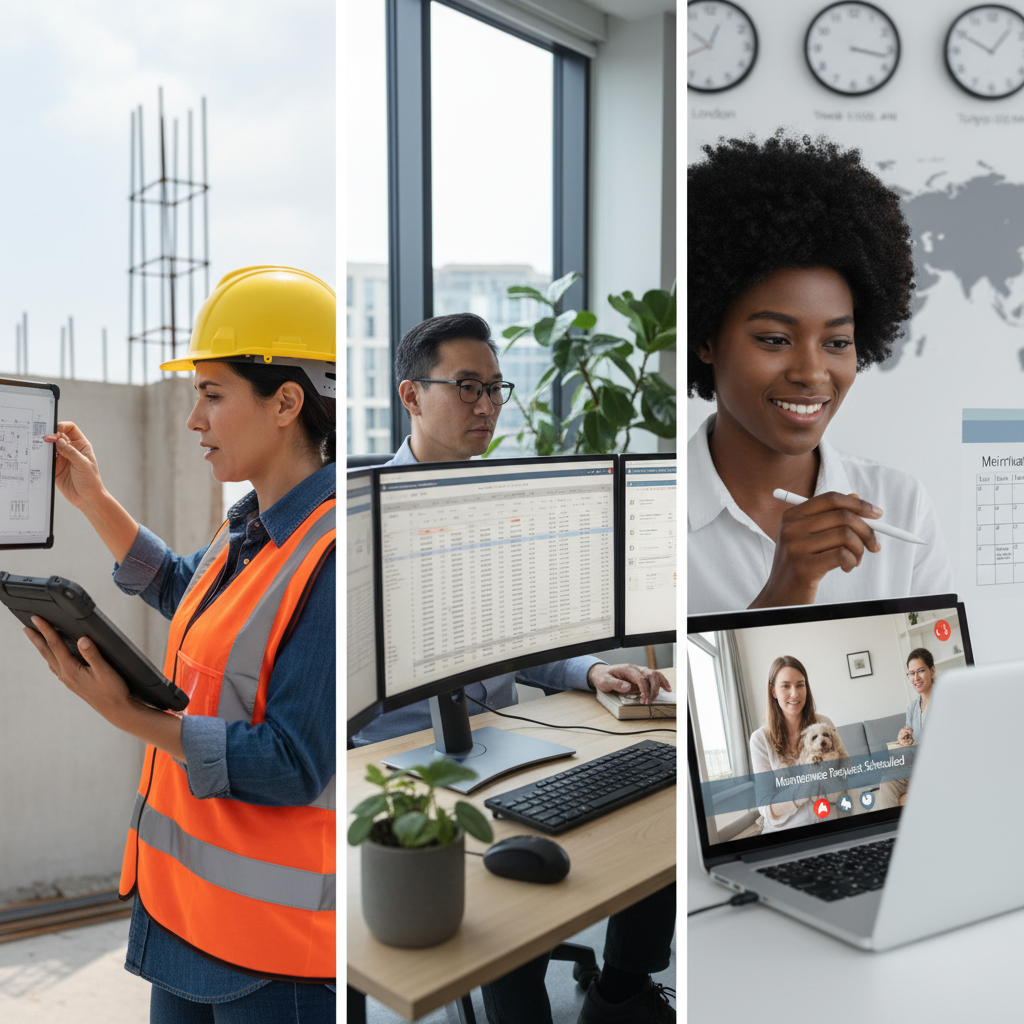
The narrative around remote work has, predictably, shifted. Two years ago, it was a panacea, a silver bullet for every staffing woe. Today, the conversation is more nuanced, more grounded in reality, and frankly, more productive. As we navigate 2026, the question isn't if remote staffing works in property management, but how it works, and for whom. The indiscriminate rush to offshore or go fully remote has given way to a more strategic, integrated approach. This is not a trend; it's a fundamental recalibration of our talent acquisition and operational models.
The Maturation of Remote Roles
When the pandemic forced our hand, many property management companies simply replicated in-office roles remotely. That was the initial, somewhat clumsy, phase. We've learned a great deal since then. What we're seeing now is the emergence of truly remote-optimized roles. These aren't just warm bodies answering phones from another time zone; these are highly skilled individuals performing specific, often complex, functions that have been meticulously deconstructed and rebuilt for asynchronous, distributed execution.
Consider the traditional property manager. A hybrid role, undoubtedly. But what about the support functions that consume 60-70% of their time? Lease administration, resident communication, vendor coordination, accounting reconciliation, even some aspects of maintenance triage, these are all ripe for remote specialization. We're not talking about replacing the boots-on-the-ground manager; we're talking about augmenting them with a highly efficient, specialized remote team that frees them to focus on high-value, in-person activities: property inspections, difficult resident interactions, local market analysis, and owner relations. This is where the real leverage lies.
Technology as the Unseen Backbone
None of this works without robust technology. And I'm not just referring to a property management software suite, though that's foundational. I'm talking about the entire ecosystem of communication, collaboration, and automation tools that enable seamless remote operations. Think about it: a remote leasing coordinator in the Philippines needs instant access to unit availability, pricing, and applicant screening results. A remote accounting specialist needs real-time data from the general ledger and bank reconciliations. The days of email and shared spreadsheets are, thankfully, behind us for any serious operation.
Platforms like AppFolio and Buildium have evolved significantly, integrating more communication and workflow automation features. But the real game-changer is the intelligent orchestration layer on top of these systems. We're seeing AI-powered chatbots handling initial resident inquiries, freeing up human agents for more complex issues. Automated workflows are routing maintenance requests based on property type and vendor contracts. This isn't just about efficiency; it's about creating a resilient, scalable operational infrastructure that isn't solely dependent on local labor markets. The integration of AI, whether from OpenAI or Google AI, into these platforms is accelerating this transformation, making remote teams even more effective.
The Talent Imperative: Quality Over Quantity
Here's where many companies falter: they view remote staffing as a cost-cutting measure first and a talent solution second. This is a critical misstep. While cost efficiencies are often a byproduct, the primary driver for successful remote staffing in 2026 must be access to a deeper, more specialized talent pool. The local market for skilled property management professionals is notoriously tight. The ability to tap into a global talent pool, where individuals may have specialized skills in, say, trust accounting or complex lease drafting, is an undeniable competitive advantage.
However, simply hiring someone remotely isn't enough. The emphasis must be on quality of hire and effective integration. This means rigorous vetting, clear job descriptions, comprehensive onboarding, and ongoing training. It requires a commitment to cultural integration, ensuring remote team members feel connected and valued, not just like cogs in a machine. This is where the 'human' element of human resources becomes even more critical in a distributed environment. I've seen firsthand the difference between a well-integrated remote team and one that's merely transactional. The former thrives; the latter churns.
Strategic Implications for Growth and Resilience
The most successful property management firms in 2026 are those that view remote staffing not as an isolated tactic, but as a core component of their overall growth strategy. It's about building a more resilient organization, one less susceptible to local economic fluctuations or talent shortages. It's about scalability: the ability to onboard new properties or expand into new markets without the immediate overhead of a full local team.
Consider the implications for business development. A firm with a robust remote support infrastructure can take on more doors, more complex portfolios, and offer a higher level of service without proportionally increasing their local administrative burden. This allows local property managers to be true asset managers, focusing on owner relationships and strategic property performance, rather than getting bogged down in routine tasks. This strategic shift is being discussed on platforms like BiggerPockets, where investors and operators are constantly seeking ways to optimize their portfolios.
In conclusion, remote staffing in 2026 is far from a simple outsourcing play. It's a sophisticated strategy that demands careful planning, technological integration, and a deep understanding of talent management. It's about deconstructing traditional roles, leveraging global talent pools, and using technology to create a more efficient, scalable, and ultimately, more profitable property management operation. The companies that embrace this holistic view will be the ones that define the next decade of our industry.