
The property management industry, at its core, is a service business. We manage assets, yes, but more importantly, we manage relationships: with residents, with vendors, and critically, with property owners. It is in this last relationship, the one with the owner, where I consistently observe the widest chasm between expectation and reality. It is a gap that, if left unaddressed, can lead to frustration, churn, and ultimately, a compromised bottom line for everyone involved.
The Owner's Lens: ROI Above All Else
Owners, particularly those new to the investment game or those with a portfolio of institutional assets, often approach property management with a singular focus: maximizing return on investment. They read articles on BiggerPockets about passive income, they see projections, and they expect a certain level of performance. This is not inherently wrong; it is their capital at stake. However, their perspective is frequently detached from the daily grind, the unpredictable variables, and the sheer human effort required to achieve those returns.
They expect immediate occupancy, minimal vacancies, and rents at the top of market. They want pristine properties, proactive maintenance, and zero tenant issues. They envision a seamless operation, often fueled by the polished interfaces of modern property management software like AppFolio or Yardi, where everything appears automated and effortless. The reality, of course, is far more complex.
The Operational Ground Truth: A Symphony of Chaos and Control
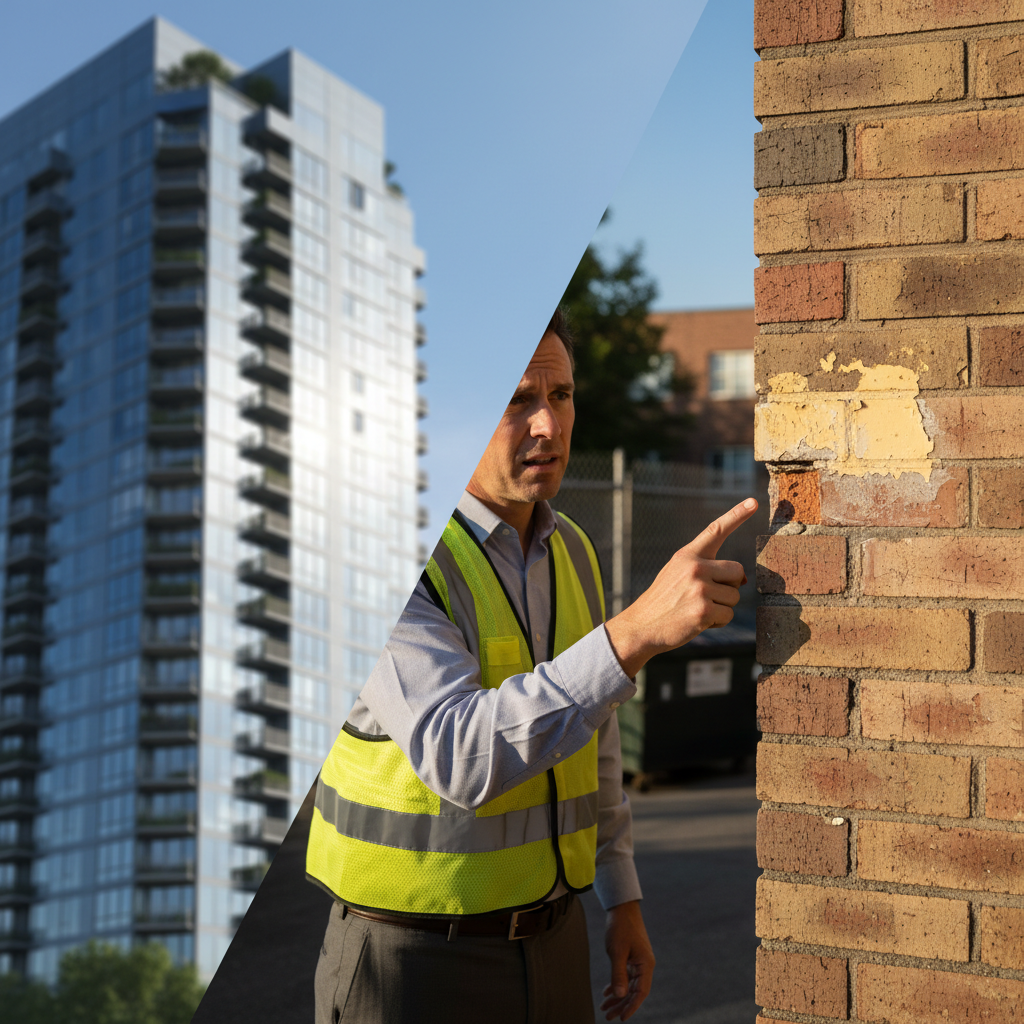
On the ground, we are dealing with leaky faucets at 2 AM, tenant disputes that escalate into legal issues, market fluctuations that defy projections, and a constant battle against deferred maintenance. We are navigating a tight labor market for skilled technicians, rising material costs, and an increasingly complex regulatory environment. The daily operational reality is a constant triage, a balancing act between resident satisfaction, property preservation, and financial viability.
Consider the simple act of turning a unit. An owner might see a vacant unit and calculate lost rent. We see a minimum of two weeks, often more, for inspections, repairs, cleaning, painting, and marketing. We see the coordination of multiple vendors, the quality control checks, and the imperative to find a good tenant, not just any tenant. This isn't inefficiency; it is the cost of doing business responsibly. The alternative, rushing a bad tenant into a subpar unit, leads to far greater costs down the line: evictions, property damage, and reputational harm.
The Disconnect: Where Perception Meets Potholes
The disconnect often stems from a lack of transparency, or perhaps, a lack of effective communication regarding the why behind our operational decisions. Owners see line items on a statement; they do not always see the hours spent negotiating with a difficult tenant, the detailed inspection reports preventing larger issues, or the strategic marketing efforts that minimize vacancy time. They might not grasp the nuances of local market conditions or the impact of new legislation. I've seen owners balk at a $50 pest control charge, unaware that ignoring it could lead to a $5,000 infestation and a reputation hit on Reddit r/PropertyManagement.
This gap is exacerbated by the perception that technology should solve everything. While platforms like Rent Manager certainly provide powerful tools for accounting, leasing, and maintenance tracking, they do not eliminate the need for human judgment, empathy, and problem-solving. AI, while promising for tasks like maintenance triage or initial resident communication, is still a tool, not a replacement for the nuanced decision-making required in property management. It's about augmentation, not abdication.
Bridging the Gap: A Strategic Imperative
So, how do we bridge this gap? It starts with proactive, transparent communication. We must educate our owners, not just report to them. This means:
- Setting Realistic Expectations Upfront: During onboarding, clearly outline the process, timelines for turns, typical vacancy rates for similar properties, and the costs associated with quality management. Provide a detailed management plan.
- Data-Driven Reporting, with Context: Beyond the numbers, explain the story behind them. Why was maintenance higher this quarter? What market trends are impacting rent growth? How did our proactive measures save them money in the long run? Tools from organizations like NMHC can provide valuable market insights to back up our claims.
- Highlighting Value, Not Just Cost: Emphasize the preventative measures, the risk mitigation, and the long-term asset preservation strategies we employ. Show them how our processes protect their investment, not just consume their cash flow.
- Embracing Technology for Transparency: Use owner portals effectively. Provide access to work orders, inspection reports, and leasing progress. The more visibility they have, the less they feel in the dark.
- Strategic Staffing: Ensure you have the right talent, whether in-house or remote, to handle the operational load efficiently and professionally. A well-staffed team is better equipped to manage the day-to-day and communicate effectively.
Ultimately, our role as property managers is not just to execute tasks, but to be trusted advisors. We must translate the complex, often messy, reality of property operations into a language that resonates with an owner's investment goals. By doing so, we transform a potential source of conflict into a partnership built on mutual understanding and shared success. The future of our industry, and the profitability of our businesses, depends on our ability to manage not just properties, but also perceptions.